Smart Bedrooms & Privacy: Are Your Pillows, Mattresses, and Sleep Apps Sharing Sensitive Data?

The smart home revolution has reached one of the most personal parts of our daily lives: the bedroom. Smart mattresses that track sleep cycles, pillows that monitor breathing patterns, and sleep apps that analyze movement and snoring are becoming increasingly common. These technologies promise better rest and deeper health insights—but they also introduce new privacy and security concerns.

As more households adopt smart bedrooms, a critical question arises: How safe is the sensitive data that these devices collect, store, and share?

What Data Do Smart Bedroom Devices Collect?

Smart sleep products collect an impressive amount of biometric and behavioral information, often including:

  • Heart rate & breathing rate
  • Sleep stages (light, deep, REM)
  • Movement patterns
  • Snoring or audio recordings
  • Bed occupancy and partner movement
  • Temperature and humidity preferences
  • Lifestyle habits inferred from sleep cycles

In some cases, this data is uploaded continuously to cloud servers, analyzed by third-party algorithms, or shared with partner companies.

While this information can help users optimize their sleep, it can also reveal incredibly intimate details—making smart bedrooms a unique privacy risk.

How Sensitive Is Sleep Data?

Sleep data may seem harmless on the surface, but it can be used to infer:

  • Health conditions (sleep apnea, insomnia, anxiety)
  • Substance use (alcohol, medication patterns)
  • Relationship habits (bed occupancy patterns)
  • Daily schedules (when you wake up or leave home)
  • Stress levels
  • Mental health indicators

This level of insight is often more personal than what a fitness tracker or smartphone collects. If mishandled or breached, such data could be used by:

  • Advertisers for targeted marketing
  • Insurance companies to adjust premiums
  • Employers assessing wellness risk
  • Hackers engaging in identity profiling

In the wrong hands, sleep data becomes deeply intrusive.

Potential Security Concerns in Smart Bedrooms

1. Weak Device Encryption

Many smart mattresses, pillows, and IoT hubs still rely on outdated encryption—or none at all.
This exposes data to:

  • WiFi eavesdropping
  • Local network attacks
  • Man-in-the-middle exploits

2. Insecure Cloud Storage

Sleep data is often stored on third-party servers using proprietary data-handling policies. Misconfigurations or weak access controls may lead to leaks.

3. Third-Party Data Sharing

Some companies share anonymised or semi-anonymised data with analytics partners, advertisers, or health-related third parties.
“Anonymised” data can often be re-identified.

4. Cross-Device Tracking

Sleep apps linked with smartphones, smartwatches, or voice assistants can combine data to build even more detailed user profiles.

5. Lack of Transparency

Users rarely know:

  • What data is collected
  • How long it is stored
  • Whether it is sold
  • Who it is shared with

Privacy policies are often vague—or change over time.

Comparing Security Approaches: Companies in the Sleep Tech Market

While not all companies disclose full security details, we can compare how several smart bedroom brands currently approach privacy and data handling. Use this for reference when assessing your own device choices.

1. Eight Sleep

  • Encryption: Uses secure data transmission (AES-128 or better) in marketing material.
  • Cloud Storage: Data stored on secure servers (as claimed).
  • Third-Party Sharing: Allowed for analytics and service improvement.
  • User Control: App allows basic privacy settings but limited data deletion options.
  • Summary: A strong option among smart mattress brands, though like all IoT devices it still warrants scrutiny.

2. Sleep Number (360 Smart Bed)

  • Encryption: Claims industry-standard encryption in device communications.
  • Cloud Storage: Sleep data stored in user-linked accounts.
  • Third-Party Sharing: Permitted for “research partners” per policy.
  • User Control: Some transparency, but the privacy policy is complex and requires careful reading.
  • Summary: A major brand offering smart features—with moderate transparency. Worth checking exactly what you opt in to.

3. Withings Sleep Tracking Mat

  • Encryption: Strong TLS encryption for data transmission.
  • Cloud Storage: Data stored in Withings cloud with reportedly robust protections.
  • Third-Party Sharing: More limited than some consumer-oriented sleep apps—favouring health-oriented use.
  • User Control: Users can export or delete collected data.
  • Summary: Good choice for users who prioritise data privacy and health-first orientation.

4. Nectar

  • Encryption / Smart Features: While Nectar is well-reviewed for comfort and value, I found no strong evidence of integrated sleep-tracking sensors or significant IoT data collection in their marketing.
  • Cloud Storage / Data Sharing: Not a key element of their product lines (as of the latest published info).
  • User Control: Standard mattress-in-a-box purchase model.
  • Summary: If you’re primarily seeking a mattress without extensive digital tracking, Nectar remains a simpler choice with fewer IoT data risks—though you sacrifice smart-features.

5. SweetNight

  • Encryption / Smart Features: SweetNight emphasizes cooling and comfort technology (e.g., their CoolNest system) rather than deep IoT tracking.
  • Cloud Storage / Data Sharing: No prominent claim of sleep-tracking sensors or cloud-based biometric data sharing in publicly available material.
  • User Control: Focused on comfort rather than data collection.
  • Summary: Like Nectar, SweetNight may represent a lower-digital-footprint option—though you should verify the specifics if you connect any “smart” add-ons.

6. Tempur‑Pedic

  • Encryption / Smart Features: Offers the Sleeptracker-AI® system built into smart beds/bases. The data is encrypted and transmitted to the Sleeptracker-AI® cloud.
  • Cloud Storage / Data Sharing: The company has confirmed that data may be shared with “other companies, government authorities and law enforcement” under certain conditions.
  • User Control: There are app settings and user accounts, but the potential scope of data-sharing is larger than many consumers expect.
  • Summary: A feature-rich smart-bed option—but also one with one of the higher risk profiles in terms of data sharing and transparency.

Summary Table

BrandSmart-Tracking DepthEncryption / TransmissionData Sharing RiskBest For
Eight SleepHighStrong (claimed)ModerateAdvanced smart mattress users
Sleep NumberHighStrong (claimed)ModerateSmart bed feature seekers
WithingsModerateStrong (verified)LowerHealth-oriented + privacy conscious
NectarLowBasicLowSimpler mattress, fewer IoT risks
SweetNightLow/Moderate (comfort tech)BasicLowBudget-friendly, fewer digital features
Tempur-PedicHighStrong (claimed)HigherSmart bed enthusiasts (accepting risk)

Note: The term “smart” here refers to IoT and biometric data collection capabilities beyond standard mattress comfort features. “Encryption / Transmission” and “Data Sharing Risk” are evaluated based on publicly available claims and disclosures.

How a VPN Can Protect Your Smart Bedroom Data

A Virtual Private Network (VPN) can significantly reduce the risk of your sensitive sleep data being intercepted or misused.

1. Encrypts All Data Leaving Your Home

Even if a device uses weak security, a VPN encrypts all traffic on your home network:

  • Prevents local hackers
  • Prevents Internet Service Providers from seeing your device metadata
  • Prevents public WiFi snoopers from intercepting device communications

2. Hides Your IP Address

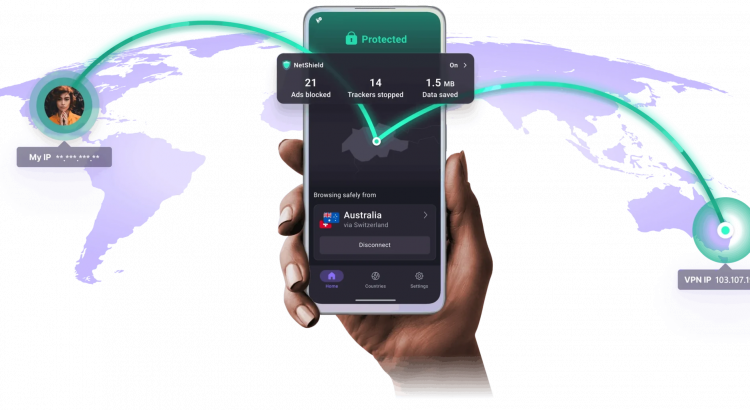
Your smart devices won’t broadcast where you live or what network you’re using—protecting against profiling and location-based tracking.

3. Protects Against Man-in-the-Middle Attacks

Since many IoT devices communicate via the Internet, a VPN’s encryption and tunneling makes it far harder for attackers to intercept data sent by smart mattresses or sleep apps.

4. Prevents Cross-Device Tracking

Many IoT manufacturers track users by combining device IDs and IP addresses. A VPN breaks this chain by masking your network identity and making correlation harder.

5. Secures Remote App Access

When controlling smart bedroom devices from outside your home (e.g., via mobile app on public WiFi), a VPN protects the connection—especially important when you’re on less-trusted networks.

Conclusion: Smart Bedrooms Need Smart Privacy Protection

Smart pillows, mattresses, and sleep apps provide amazing insights into our well-being—but the data they collect is among the most personal imaginable. Without proper protection, this information can be exposed, monetised, or misused.

By combining:

  • Strong device-level security
  • Thoughtful privacy settings
  • Careful app permissions
  • A trustworthy VPN service

Users can significantly reduce the risks associated with smart bedroom technologies.

A VPN encrypts your network traffic, hides your identity, and prevents unauthorized access—making it an essential layer of protection for anyone concerned about sensitive sleep data being shared online. CompareVpnServices showcases the best VPN services available online browse our website to find the best VPN fit for you.

Shielding Your Savings: Why VPNs are Essential for Protecting Your Financial Details

In today’s digital age, protecting your financial information is more crucial than ever. Hackers are constantly on the prowl, looking to exploit vulnerabilities and steal sensitive data such as bank account details and credit card information. One of the most effective ways to safeguard your financial details is by using a Virtual Private Network (VPN). In this article, we will delve into how VPNs can protect your financial information, why they are essential for securing bank accounts and credit cards, and how they keep your data secure. By the end of this piece, you’ll have a better understanding of the importance of utilizing a VPN to shield your financial information from potential threats.

1. “Securing Your Finances: How VPNs Protect Your Financial Details”

When it comes to safeguarding your financial information online, utilizing a VPN (Virtual Private Network) is crucial. VPNs enhance your online security and privacy by creating a secure, encrypted connection to the internet. This means that any data transmitted between your device and the internet is scrambled, making it extremely difficult for hackers or third parties to intercept and access your sensitive information.

One of the primary ways VPNs protect your financial details is by masking your IP address. Your IP address reveals your online identity and location, making it easier for cybercriminals to track your online activities and potentially steal your financial information. By using a VPN, your real IP address is hidden, and instead, your connection appears to be coming from a server in a different location. This adds an additional layer of security to your online transactions, helping to protect your bank accounts and credit cards from being compromised.

Additionally, VPNs encrypt your data as it travels between your device and the internet, ensuring that no one can intercept and read your financial information. This encryption is especially important when using public Wi-Fi networks, which are notorious for their lack of security and susceptibility to hackers. With a VPN, you can confidently access your online banking accounts or make purchases online without worrying about cyber threats.

In conclusion, securing your finances with a VPN is a smart and proactive measure to take in today’s digital age. By using a VPN to protect your financial details, you can enjoy peace of mind knowing that your sensitive information is safe and secure from cyber threats. So, don’t wait any longer — invest in a reliable VPN service today and safeguard your bank accounts and credit cards from potential cyberattacks.

2. “The Importance of Using a Virtual Private Network for Bank Accounts and Credit Cards”

When it comes to protecting your financial information, using a Virtual Private Network (VPN) is crucial, especially when it comes to your bank accounts and credit cards.

A VPN creates a secure and encrypted connection between your device and the internet, ensuring that your online activities are private and protected from potential threats such as hackers, identity thieves, and data breaches. This is especially important when accessing sensitive information like your financial details.

Using a VPN when accessing your bank accounts or making transactions with your credit cards adds an extra layer of security by masking your IP address and encrypting your data. This makes it much more difficult for cybercriminals to intercept your information and potentially steal your money or commit fraud.

In today’s digital age where cyber threats are becoming increasingly common, it’s more important than ever to safeguard your financial information. By using a VPN, you can protect your bank accounts and credit cards from unauthorized access and keep your sensitive data secure. Don’t take any chances when it comes to your finances – invest in a reliable Virtual Private Network today.

3. “Safeguarding Your Financial Information: How VPNs Keep Your Data Secure”

In today’s digital age, it’s more important than ever to safeguard your financial information from hackers and cyber criminals. One effective way to protect your data is by using a Virtual Private Network (VPN).

VPNs encrypt your internet connection, making it virtually impossible for anyone to intercept your data. This is crucial when it comes to accessing sensitive information such as your financial details, bank accounts, and credit cards online.

When you connect to a VPN, your data is routed through a secure server, which acts as a shield between your device and the internet. This means that even if a hacker were to intercept your connection, they would only see encrypted data that is impossible to decipher without the proper decryption key.

In addition to encryption, VPNs also hide your IP address, making it harder for websites and online services to track your online activities and potentially compromise your financial information.

Overall, using a VPN is a simple yet effective way to enhance the security of your financial data online. By taking this extra precaution, you can minimize the risk of falling victim to identity theft, fraud, or other cyber threats that could have serious consequences for your financial well-being.

Stay Secure Online: A Guide to Avoiding Malicious VPNs and Choosing Trustworthy Virtual Private Networks

In today’s digital age, using a Virtual Private Network (VPN) has become essential for protecting your online privacy and security. However, not all VPNs are created equal, and some may actually compromise your data rather than safeguard it. In this article, we will explore how to spot and avoid malicious VPNs, as well as provide tips for choosing a trusted and reliable service. By defending against bad actors and ensuring the security of your VPN, you can surf the web with peace of mind knowing your sensitive information is safeguarded.

1. “Protecting Your Online Privacy: How to Spot and Avoid Malicious VPNs”

When it comes to protecting your online privacy, using a VPN (Virtual Private Network) can be an effective tool. However, not all VPN services are created equal, and there are malicious actors out there looking to take advantage of unsuspecting users. To avoid falling victim to these bad actors, it’s important to know how to spot and avoid malicious VPNs.

One key indicator of a malicious VPN is if the service is offered for free. While free VPNs may seem like a cost-effective option, they often come with hidden agendas such as logging your data and selling it to third parties. It’s always best to opt for a paid VPN service that has a transparent privacy policy and a proven track record of protecting user data.

Another red flag to watch out for is a VPN service that claims to offer unlimited bandwidth or speed. While these promises may seem enticing, they are often a sign that the VPN is cutting corners when it comes to security. A reputable VPN provider will be upfront about their limitations and will focus on providing a secure and reliable connection rather than making unrealistic claims.

Additionally, be wary of VPN services that have a small or unknown reputation. It’s important to do your research and read reviews from trusted sources to ensure that the VPN you are considering is trustworthy. Look for providers that have been in the industry for a significant amount of time and have a proven track record of protecting user privacy.

By being vigilant and doing your due diligence, you can avoid falling victim to malicious VPNs and ensure that your online privacy is protected. Remember to always choose a trusted VPN service that prioritizes security and transparency to keep your data safe from bad actors.

2. “Choosing the Right VPN: Tips for Identifying Trusted Virtual Private Networks”

When it comes to choosing a VPN, it is crucial to do your research and identify trusted services to avoid falling victim to malicious VPNs. Here are some tips for selecting a reputable Virtual Private Network:

1. Research the VPN provider: Look into the background and reputation of the VPN service provider. Read reviews from trusted sources and check for any past security incidents or data breaches. Make sure the provider has a good track record of protecting user privacy and security.

2. Check the logging policy: A trustworthy VPN service will have a strict no-logs policy, meaning they do not keep any records of your online activity. This is important for maintaining your privacy and ensuring that your data is not being collected or shared with third parties.

3. Look for encryption protocols: Make sure the VPN uses strong encryption protocols to secure your data and protect it from prying eyes. Look for VPNs that offer features like AES-256 encryption and support for secure VPN protocols such as OpenVPN or WireGuard.

4. Avoid free VPNs: While free VPNs may be tempting, they often come with hidden costs. Some free VPNs may sell your data to third parties or serve you targeted ads. It is worth investing in a paid VPN service that prioritizes user privacy and security.

By following these tips and choosing a trusted VPN provider, you can ensure that your online activities remain private and secure, protecting yourself from bad actors looking to exploit your data.

3. “Defending Against Bad Actors: Ensuring Your VPN Service is Secure and Reliable”

When it comes to selecting a VPN service, it’s crucial to ensure that you are choosing a secure and reliable provider to protect your online activities. With so many VPN options available, it’s essential to be cautious of bad actors who may offer malicious VPN services. To defend against these threats, there are a few key factors to consider when choosing a trusted VPN service.

First and foremost, it’s important to research and choose a VPN provider that has a strong reputation for security and reliability. Look for providers that have a proven track record of protecting user data and privacy. Reading reviews from reputable sources and checking for any history of security breaches can help you determine the trustworthiness of a VPN service.

Additionally, make sure to choose a VPN service that offers robust encryption protocols to secure your data and protect it from potential threats. Look for providers that offer features such as AES-256 encryption, secure VPN protocols like OpenVPN or L2TP/IPsec, and a no-logs policy to ensure that your online activities remain private.

Lastly, consider the jurisdiction of the VPN provider, as some countries may have laws that require VPN services to disclose user data to authorities. Opt for providers located in privacy-friendly jurisdictions where your data is less likely to be compromised.

By taking these precautions and choosing a reputable VPN service, you can defend against bad actors and ensure that your online activities remain secure and private. Remember to prioritize security and reliability when selecting a VPN service to protect yourself from malicious threats.

Score Big with VPN: Enhancing Your Local Soccer Club Viewing Experience

In today’s digital age, watching local soccer clubs has never been easier with the use of VPN services. With the ability to secure your soccer streaming experience and unlock global goals, VPNs have become the key to accessing matches from anywhere in the world. In this article, we will explore how VPN services enhance your watching experience, allowing you to support your favorite teams from the comfort of your own home. Whether you’re a die-hard fan or just looking to catch a game, virtual private networks offer a convenient and reliable way to stay connected to the world of soccer.

1. “Secure Your Soccer Streaming Experience with VPN Services”

As soccer fans, streaming live matches of your favorite local clubs is an exciting way to stay connected with the game and support your team. However, not all streaming services are available in every region, and accessing geo-restricted content can be a challenge. This is where a Virtual Private Network (VPN) can help secure your soccer streaming experience.

By using a VPN, you can change your virtual location and access streaming services that may be blocked in your area. This means you can watch all the goals, highlights, and matches of your local soccer clubs without any restrictions. Additionally, VPN services encrypt your internet connection, providing a layer of security and privacy while you stream your favorite matches.

Whether you’re cheering for your local team in the comfort of your home or watching on-the-go, a VPN can ensure that you have seamless and secure access to live soccer streaming. Don’t miss out on any game-winning goals – make sure to secure your soccer streaming experience with a reliable VPN service.

2. “Unlocking Global Soccer Goals: How VPN Services Enhance Your Watching Experience”

By utilizing a VPN (Virtual Private Network) service, soccer fans can unlock global soccer goals and enhance their viewing experience like never before. With VPN services, fans can access soccer streaming services from around the world, giving them access to games that may not be broadcasted in their region. This means that fans can watch their favorite local clubs, as well as international teams, all from the comfort of their own home.

VPN services also provide an added layer of security and privacy while browsing the internet, which can be especially important when streaming live soccer matches. By masking their IP address and encrypting their internet connection, fans can ensure that their viewing experience is safe and secure.

In addition to allowing fans to access more games and matches, VPN services can also help avoid blackouts and geo-restrictions that may prevent fans from watching certain games in their region. By connecting to a server in a different location, fans can bypass these restrictions and enjoy seamless streaming of their favorite soccer matches.

Overall, VPN services provide soccer fans with the opportunity to unlock global soccer goals and elevate their watching experience to new heights. With the ability to access a wider range of games and matches, as well as ensuring privacy and security while streaming, VPN services are a valuable tool for any soccer fan looking to enjoy the beautiful game.

3. “Virtual Private Networks: The Key to Accessing Local Soccer Clubs’ Matches from Anywhere”

Virtual Private Networks, commonly known as VPNs, are powerful tools that allow users to secure their internet connection and protect their privacy online. But did you know that VPNs can also be used to access geo-restricted content, such as live streaming of local soccer clubs’ matches?

By using a VPN, soccer fans can bypass regional restrictions and access streaming services that may be blocked in their location. This means that even if you are traveling abroad or live in a different country, you can still watch your favorite local soccer club’s matches with ease.

VPN services work by routing your internet connection through a server in a different location, thereby masking your true IP address and making it appear as though you are accessing the internet from that server’s location. This tricks streaming services into thinking you are located in the same region as the server, allowing you to access geo-restricted content such as soccer streaming.

So, whether you are cheering for your local team from a different country or simply looking for a way to catch all the goals live, using a VPN is the key to accessing local soccer clubs’ matches from anywhere. With the help of a Virtual Private Network, you can enjoy the excitement of the game no matter where you are in the world.

Level Up Your Security: How PC Gamers Utilize VPNs for Enhanced Protection and Performance in Online Gaming

In the ever-evolving landscape of online gaming, PC gamers are constantly searching for ways to enhance their gaming experience and protect their connections from threats. One popular solution that has gained popularity among gamers is the use of Virtual Private Networks (VPNs). In this article, we will explore how PC gamers utilize VPNs to secure their gameplay and maximize performance. From safeguarding against cyber threats to ensuring seamless streaming and gameplay, VPNs offer a range of benefits for gamers looking to protect their connections while immersing themselves in the virtual world. Let’s dive into the world of VPNs and discover how they are transforming the gaming experience for PC gamers.

1. “Securing Your Gameplay: How PC Gamers Utilize VPNs for Added Protection”

PC gamer using VPN for security.

PC gamers rely on fast and secure internet connections to ensure a smooth and uninterrupted gameplay experience. However, with the rise of cyber threats such as DDoS attacks and hacking, it has become crucial for gamers to take extra measures to protect their connections. This is where VPNs, or Virtual Private Networks, come into play.

By using a VPN, PC gamers can encrypt their internet traffic and route it through a remote server, effectively masking their IP address and location. This added layer of security not only helps protect against DDoS attacks, but also prevents hackers from intercepting sensitive information such as login credentials or personal data.

Additionally, VPNs can be useful for PC gamers who engage in streaming their gameplay online. With a VPN, gamers can access geo-restricted content or bypass ISP throttling, ensuring a lag-free streaming experience for viewers.

Overall, VPNs serve as a valuable tool for PC gamers looking to enhance their online security and privacy while enjoying their favorite video games. By utilizing a VPN, gamers can safeguard their connections and focus on what truly matters – dominating the virtual battlefield.

2. “Maximizing Performance: The Benefits of Using a VPN for Virtual Private Networking in Online Gaming”

One of the key advantages of using a VPN for virtual private networking in online gaming is the potential to maximize performance. By routing your connection through a VPN server, you can reduce lag and latency issues that may arise during gameplay. This is particularly important for PC gamers who rely on fast and stable internet connections to stay competitive in online multiplayer games.

Additionally, using a VPN can help improve the overall security and privacy of your online gaming experience. By encrypting your internet traffic, a VPN can protect your personal information and prevent potential cyber threats, such as DDoS attacks, from targeting your gaming sessions.

Furthermore, some VPN services offer specialized servers for gaming, which are optimized for low latency and high-speed connections. This can help PC gamers enjoy a smoother gaming experience and reduce the likelihood of connection drops or interruptions during gameplay.

Overall, utilizing a VPN for virtual private networking in online gaming can provide numerous benefits, including improved performance, enhanced security, and optimized connections for a more enjoyable gaming experience. Whether you’re streaming gameplay or participating in competitive online matches, a VPN can help PC gamers protect their connections and stay ahead of the competition.

3. “Enhancing Your Gaming Experience: How VPNs Safeguard PC Gamers’ Connections for Seamless Streaming and Gameplay”

Gamer using VPN for secure connection.

PC gamers have long understood the importance of using a VPN (Virtual Private Network) to protect their connections while gaming online. By encrypting their internet traffic and masking their IP address, VPNs provide an extra layer of security against potential cyber threats.

But beyond just enhancing security, VPNs also play a crucial role in improving the overall gaming experience for PC gamers. With the rise of online multiplayer games and streaming platforms, having a stable and secure connection is key to enjoying seamless gameplay and streaming sessions.

One of the main benefits of using a VPN for gaming is the ability to bypass geographical restrictions. Many games and streaming services have region-specific content or servers, which can be frustrating for gamers who want to access them from a different location. With a VPN, PC gamers can easily connect to servers in the desired region, giving them access to exclusive content and faster connections.

Additionally, VPNs help reduce lag and latency during online gameplay by optimizing the routing of internet traffic. By choosing servers with lower ping times, gamers can enjoy smoother gameplay and avoid frustrating delays. This is especially important for competitive gamers who rely on quick reflexes and precise movements to succeed.

Overall, VPNs are a valuable tool for PC gamers looking to safeguard their connections and optimize their gaming experience. Whether they’re playing competitive online games or streaming their favorite content, a VPN can provide the security and performance needed for a truly immersive gaming experience.

In conclusion, PC gamers are increasingly turning to VPNs to ensure their gameplay experiences are secure, high-performing, and uninterrupted. By utilizing a Virtual Private Network, players can protect their connections from potential threats, maximize their performance in online gaming, and safeguard their streaming experiences. With the growing importance of cybersecurity and privacy in the digital age, VPNs have become an essential tool for gamers looking to enhance their gaming experience. Whether for added protection, improved performance, or seamless streaming, VPNs have proven to be a valuable asset for PC gamers everywhere.

Enhancing Your Digital Library: Why You Need a VPN for Audio Books

In the modern era of reading, our libraries have moved from mahogany shelves to the palms of our hands. Whether you are an audiobook aficionado, a Kindle enthusiast, or a collector of rare physical copies from ThriftBooks, the way we consume literature is increasingly digital and borderless.

However, despite the “global” nature of the internet, your access to books is often restricted by your physical location. Using a high-quality VPN (Virtual Private Network) is the secret weapon for any bibliophile looking to optimize their reading experience.

Here is why you should use a VPN with the world’s top book and audiobook providers.


1. Storytel: Unlock Global Narratives

Storytel is a powerhouse in the international audiobook market, but its library varies significantly from country to country due to licensing agreements. A title available in Storytel India might be missing from Storytel Netherlands.

  • The VPN Advantage: By switching your server location, you can explore regional catalogs. If you are learning a new language or looking for a specific international best-seller, a VPN allows you to bypass these geographical “fences” and access a truly global library.

2. Apple Books: Bypass Regional Pricing and Restrictions

Apple Books offers a seamless reading experience, but it is notorious for having different availability and pricing based on your Apple ID region and IP address.

  • The VPN Advantage: If you are traveling abroad, you might find yourself blocked from downloading certain titles or redirected to a local store with higher prices. A VPN ensures your connection appears to be from your home country, keeping your library consistent and your costs predictable.

3. Audiobooks.com: Access Exclusive Deals

Audiobooks.com often runs region-specific promotions and “Buy One Get One” deals that are only visible to users in certain territories (usually the US or UK).

  • The VPN Advantage: To ensure you aren’t missing out on the best value for your subscription, a VPN allows you to check in on different regions to see where the best credits or sales are currently active.

4. ThriftBooks.com: Secure Your Transactions

ThriftBooks is the go-to destination for affordable physical books. While they ship internationally, many users access the site from public Wi-Fi in cafes or libraries.

  • The VPN Advantage: When entering your credit card details and shipping address on ThriftBooks, security is paramount. A VPN encrypts your data, protecting your financial information from “man-in-the-middle” attacks on unsecured networks.

5. Audible: The Ultimate Catalog Expansion

Audible (an Amazon company) has the most rigid “geofencing” in the industry. Because of publishing rights, a book may be available on Audible.com (US) but not on Audible.co.uk (UK) or Audible.com.au (Australia).

  • The VPN Advantage: Serious listeners often maintain accounts across different regions to get the widest selection of narrators. A VPN helps you manage these accounts smoothly, ensuring that your IP address matches the store region, which can prevent account flags and regional blocks.

6. Book of the Month (BOTM): Get Early Access Anywhere

Book of the Month is a beloved service that curates the best new releases. Unfortunately, it is primarily focused on the US market.

  • The VPN Advantage: For expats or international fans of the BOTM selections, using a VPN can help in navigating the site and managing a subscription that might otherwise be difficult to access from a restricted international IP.

The Bottom Line: Privacy and Freedom

Beyond just unlocking content, using a VPN with these services provides two universal benefits:

Privacy: Internet Service Providers (ISPs) and advertisers track your browsing habits to build a profile of your interests. A VPN masks your activity, ensuring that what you read remains your business.

Throttling Prevention: Some ISPs slow down data-heavy activities. If you are downloading massive high-quality audiobook files, a VPN can prevent your ISP from identifying the traffic and “throttling” your download speeds.

Which VPN Should You Choose?

For book lovers, speed and a wide server network are key. We recommend choosing IPVANISH who has  a strict no-logs policy and high-speed servers in the US, UK, and Europe to ensure your page-turning is never interrupted by a buffering wheel.

Ready to expand your library? Check out our top-rated VPNs for 2024 on CompareVPNServices.com.

Benefits of Using a VPN: Privacy, Safer Wi-Fi, and Smoother Travel

Benefits of Using a VPN: Privacy, Safer Wi-Fi, and Smoother Travel

Picture this. You sit down at a cafe, open your laptop, and start checking email. In the background your device hops onto a shared network where plenty of curious eyes could be lurking. That is the exact moment the Benefits of Using a VPN become real. This guide breaks those benefits into simple, practical outcomes you can feel every day, from public Wi-Fi safety to more consistent connections while you travel.

Explore our VPN fundamentals on Compare VPN Services


The short version: what a VPN actually gives you

A VPN creates an encrypted tunnel between your device and a secure server. When that tunnel is on, outside observers cannot read your traffic, websites see the server’s IP address instead of yours, and unstable networks suddenly feel predictable. If you want the practical Benefits of Using a VPN, think privacy, consistency, and control.

See practical setup tips on Compare VPN Services

The core Benefits of Using a VPN

  • Privacy on public Wi-Fi. Cafes, hotels, and airports are shared environments. Encryption blocks casual snooping of your unencrypted traffic.
  • IP masking. Sites and apps see the VPN server’s IP address. This reduces profiling tied to your home or mobile network.
  • DNS protection. Many clients tunnel DNS lookups, which hides what domains you request from local network owners.
  • Consistency across networks. The same apps behave the same way when you roam between Wi-Fi and mobile data.
  • Work access from anywhere. Tunnels can secure remote access to company resources without exposing those tools to the public internet.
  • Price research with fewer biases. Location based price steering can exist. IP masking helps you evaluate options with more consistent baselines.
  • A safer default for travel. Turn it on before you browse in unfamiliar places and keep it on while you work.

Each point above reflects everyday Benefits of Using a VPN that go beyond buzzwords.


Table: benefit to problem mapping

BenefitWhat it solvesWhat it does not solve
Encrypted tunnelBlocks local packet sniffing and session hijackingMalware in downloaded files or unsafe attachments
IP maskingReduces site level profiling tied to your origin IPTracking after login or via cookies and fingerprinting
In-tunnel DNSPrevents local DNS logging and spoofingPhishing if you override warnings and click anyway
Kill switchStops traffic if the tunnel dropsHuman error if you disable it during a sensitive task
Protocol agilityFaster reconnects while roamingPoor device security or outdated software

This map keeps the Benefits of Using a VPN honest and actionable.


Why the Benefits of Using a VPN matter in 2026

Modern networks use HTTPS widely, which is great. Yet metadata still leaks value. Your ISP or venue can learn the domains you visit through DNS unless those requests are encrypted or tunneled. Public hotspots can log timings and connection patterns. In 2026, a VPN is a lightweight way to mute that background noise without changing how you browse.

Open our public Wi-Fi checklist on Compare VPN Services


How a VPN compares with other privacy tools

People often ask how the Benefits of Using a VPN stack up against browsers, proxies, or Tor. Here is a quick comparison that focuses on outcomes rather than brand names.

CapabilityVPNHTTPS-only browserProxyTor
Encrypts traffic for all appsYesBrowser onlyUsually noApp specific
Masks your IP from websitesYesNoYesYes
Hides DNS from local networkYesSometimesRareYes
Works well for streaming and callsHigh with modern protocolsHighMediumLower
Easy everyday useHighHighMediumMedium

Takeaway. HTTPS is essential. A VPN adds network level privacy for all apps and reduces local profiling. That stacked approach delivers the most visible Benefits of Using a VPN without changing your habits.


Feature checklist that maximizes the Benefits of Using a VPN

  • Kill switch. Blocks traffic if the tunnel goes down. One dropped connection should not expose your apps.
  • DNS leak protection. Keeps domain lookups in the tunnel.
  • WireGuard or IKEv2. Faster handshakes and better roaming stability for phones and laptops.
  • Split tunneling. Route selected apps through the VPN while local devices like printers stay direct.
  • IPv6 handling. Proper tunneling or safe disablement to avoid unnoticed leaks.
  • Obfuscation. Helps when networks try to identify and throttle VPN traffic.

These settings turn the theoretical Benefits of Using a VPN into measurable improvements.

See recommended app settings on Compare VPN Services

Real life scenarios

  • Working in a hotel lobby. Turn on the VPN before opening email or file shares. Kill switch on. DNS tunneled. You reduce exposure from neighbors on the same network.
  • Commuting on public transport. Hotspots change and drop. WireGuard or IKEv2 reestablishes the tunnel quickly so your chat and calls do not fail.
  • Research and shopping. IP masking can reduce location bias. It does not guarantee a better price, but it makes comparisons fairer.
  • Remote access to internal tools. A tunnel is often required by company policy since it limits who can reach those tools.

All of these illustrate the day to day Benefits of Using a VPN without adding friction.


A quick test routine to validate your setup

  1. Connect and confirm your visible IP has changed on a test page.
  2. Run a DNS leak test and check that resolvers are in the tunnel.
  3. Enable the kill switch, then briefly toggle Wi-Fi off and on. Traffic should pause until the tunnel returns.
  4. If you use split tunneling, make sure sensitive apps are included in the tunnel.

Run our step by step checklist on Compare VPN Services


Frequently Asked Questions

Do I still need a VPN if the site uses HTTPS?
Yes. HTTPS protects the path to each site. The Benefits of Using a VPN include encrypting traffic for all apps, hiding DNS from local networks, and masking your IP. These layers work together. Why not use both?

Will a VPN make my internet slow?
There is a small overhead from encryption. With modern protocols and a nearby region, most people notice little change. If latency rises, try a closer server and keep the tunnel on.

Can a VPN make me anonymous online?
No. It improves privacy and reduces exposure, but once you log in, sites still know it is you. Use good browser hygiene and strong account security in addition to the VPN.

Is a proxy the same as a VPN?
No. A proxy usually changes IP without encrypting traffic. The Benefits of Using a VPN include device wide encryption, better leak protection, and consistent behavior across apps.

Should I keep my VPN on at home?
Often yes. It reduces ISP level profiling and gives you a consistent setup when you leave the house. If you need local devices to work, use split tunneling carefully.


The bottom line

The internet runs on trust and metadata. A VPN minimizes how much metadata others can collect about you and keeps your traffic protected on the way out. If you are after practical gains, the Benefits of Using a VPN are clear. Better privacy in public places, fewer surprises when you roam between networks, and a repeatable routine that keeps your data calmer in 2026.

Browse all privacy and security articles on Compare VPN Services

Compare VPN Services concepts in our beginner hub on Compare VPN Services

Best VPN for Travel: Stay Private

Best VPN for Travel: Stay Private

Airports hum, hotel lobbies buzz, and your phone jumps from one network to the next. Travel is movement, and so is your data. If you want a calm, predictable layer of privacy wherever you land, this guide explains why the Best VPN for Travel: Stay Private mindset matters and how to apply it without hassle. We will compare travel scenarios, key features, and protocols so you know exactly what to look for before you board.

See our travel privacy hub on Compare VPN Services

Why travelers benefit from a VPN

The Best VPN for Travel: Stay Private approach is simple. A VPN encrypts the connection from your device to a secure server. On hotel, café, and airport Wi-Fi, that tunnel stops easy snooping and hides your original IP from sites you visit. It also reduces profiling by local networks and creates a consistent route for your apps, which makes life easier when networks are flaky or filtered.

Open our pre-flight checklist on Compare VPN Services

Travel scenarios and how a VPN helps

Understanding real situations makes Best VPN for Travel: Stay Private feel practical, not theoretical.

  • Hotel and airport Wi-Fi: Shared networks invite passive sniffing. The VPN tunnel scrambles traffic, which blocks casual interception.
  • Captive portals and filtered networks: Some networks limit apps or throttle services. A VPN often restores normal behavior by normalizing routing.
  • Roaming between Wi-Fi and mobile data: Modern protocols reconnect quickly so your apps do not break during handoffs.
  • Public work sessions: If you access cloud dashboards or email while traveling, encrypted tunnels cut the exposure window.
  • Research and price checks: Masking your IP can reduce location bias in pricing research. It is not a guarantee, but it keeps tests more consistent.

Browse our on-the-road security tips on Compare VPN Services

Comparison table: common travel threats vs VPN protections

Travel riskWhat could happenHow a VPN helps
Packet sniffing on shared Wi-FiUnencrypted data is capturedEncrypts traffic end-to-end to the VPN server
Evil-twin hotspotsDevices join a fake SSIDLimits data exposure by encrypting everything after join
DNS tampering by local networkRedirects to phishing or wrong IPsSends DNS through the tunnel to trusted resolvers
Session hijackingCookies stolen in transitAdds an encrypted layer around session data
Metadata logging by venueTracks domains and frequencyHides destinations from the local network owner

This table is the foundation of Best VPN for Travel: Stay Private because it maps risks to concrete mitigations you can verify.

Download our quick test routine on Compare VPN Services

Feature checklist for travelers in 2026

If you want the Best VPN for Travel: Stay Private experience across flights and layovers, these features matter most.

FeatureWhat it doesWhy travelers care
Kill switchBlocks internet if the tunnel dropsPrevents accidental leaks on flaky hotel routers
DNS leak protectionForces DNS to stay in the tunnelStops local DNS from logging or misdirecting you
WireGuard or IKEv2Fast handshakes and roaming stabilitySmooth switching between Wi-Fi and mobile data
Split tunnelingChoose which apps use the VPNKeep work apps protected while local casting stays direct
ObfuscationMakes VPN traffic look like regular HTTPSHelpful on networks that try to block VPNs
IPv6 handlingTunnels or safely disables IPv6Avoids unnoticed leaks on modern networks

See our recommended app settings on Compare VPN Services

Mini comparison: protocols that travel well

ProtocolSpeedRoaming stabilitySuitability for travelNotes
WireGuardVery highExcellentExcellentSmall codebase, quick reconnects, great on mobile
OpenVPN UDPHighGoodVery goodReliable, wide support in tricky networks
IKEv2/IPSecHighExcellentExcellentEspecially strong for phones that move constantly

With any of these, the Best VPN for Travel: Stay Private principle holds if the client enforces kill switch and DNS protections.

A traveler’s routine you can repeat anywhere

Use this five-step pattern to make Best VPN for Travel: Stay Private a habit.

  1. Verify the SSID with staff. Do not guess a network name.
  2. Turn on the VPN before opening apps. Connect first, then browse or sync.
  3. Enable kill switch and confirm DNS is tunneled. Run a quick leak check.
  4. Keep the VPN on while working or banking. Do not toggle off mid-session.
  5. Forget the network after checkout. Prevent auto-rejoins to cloned SSIDs.

Grab our printable travel checklist on Compare VPN Services

Performance on the road

Encryption adds overhead, but on modern devices it is small. WireGuard and well-tuned OpenVPN typically keep browsing, calling, and streaming smooth. Choose nearby regions when possible to reduce latency. If Chromecast or AirPlay needs your local network, use split tunneling carefully so sensitive apps stay in the tunnel.

Comparison table: VPN vs other tools for travelers

Capability for travelersVPNHTTPS-only browserProxyTor
Encrypts all device appsYesBrowser onlyUsually noTor browser/app only
Masks your IP from sitesYesNoYesYes
Blocks local Wi-Fi sniffingYesPartiallyNoYes
Handles DNS in-tunnelYesSometimesRareYes
Consistent speed for calls and mapsHigh with modern protocolsHighMediumLower

The Best VPN for Travel: Stay Private approach pairs well with good browser hygiene. One does not replace the other.

[Explore layered privacy strategies on Compare VPN Services]

What the Best VPN for Travel: Stay Private mindset is not

It is not a promise of anonymity. When you log in, services still know it is you. It does not replace safe passwords, updates, or multi-factor authentication. It does not turn unsafe downloads into safe downloads. It is a powerful layer that reduces exposure windows in unfamiliar networks.

Frequently Asked Questions

Do I need a VPN if the hotel site is HTTPS?
Yes. HTTPS protects the path between your browser and each site. The Best VPN for Travel: Stay Private practice adds encryption for all apps, masks your IP, and hides DNS from the hotel network. These layers complement each other.

Which protocol is best for travel?
WireGuard and IKEv2 are excellent for roaming because they reconnect quickly. OpenVPN UDP is also a solid choice. The right settings matter more than the logo. Did you enable the kill switch and DNS protection?

Will a VPN slow my video calls?
A small overhead is normal. With nearby servers and modern protocols, most calls feel unchanged. If latency rises, switch to a closer region and keep the tunnel on.

Can a VPN protect me from fake hotspots?
It limits damage by encrypting traffic even on a malicious hotspot. Still verify the SSID with staff. Good habits plus the Best VPN for Travel: Stay Private routine work together.

Is a proxy enough for travel?
Usually not. Proxies often change IP without encrypting traffic. The Best VPN for Travel: Stay Private approach includes device-wide encryption and stronger leak protections.

The bottom line

When you change countries or just change gates, networks change with you. The Best VPN for Travel: Stay Private strategy gives you one consistent layer that follows your phone and laptop from lounge to taxi. In 2026, modern clients make it fast, stable, and simple to keep on while you work, navigate, and unwind.

See our traveler setup guide on Compare VPN Services

Browse more privacy articles on Compare VPN Services

How a VPN Keeps You Safe on Public Wi-Fi Networks

How a VPN Keeps You Safe on Public Wi-Fi Networks

Airport coffee, hotel lobby, conference halls. Public Wi-Fi feels like a freebie until you picture dozens of strangers sharing the same digital hallway. If you have ever wondered why security experts insist on using a VPN in these places, this guide shows How a VPN Keeps You Safe on Public Wi-Fi Networks with simple explanations and practical steps you can follow today.

Open our public Wi-Fi safety checklist on Compare VPN Services

How a VPN Keeps You Safe on Public Wi-Fi Networks

A VPN creates an encrypted tunnel between your device and a secure server. On public Wi-Fi, this tunnel prevents nearby snoops, compromised hotspots, and curious network owners from reading your data. Websites see the VPN server’s IP address, not the café’s IP tied to your device. That, in essence, is How a VPN Keeps You Safe on Public Wi-Fi Networks without changing how you browse.

Common threats on public Wi-Fi, explained simply

Before we dive deeper into how a VPN Keeps You Safe on Public Wi-Fi Networks, it helps to name the usual risks.

  • Packet sniffing: Attackers capture unencrypted traffic on shared networks.
  • Rogue hotspots: Fake “Free WiFi” networks impersonate legitimate ones to intercept connections.
  • Evil-twin attacks: An attacker clones the SSID of a real hotspot to trick devices into joining.
  • Session hijacking: Stolen cookies or tokens can let attackers impersonate you.
  • DNS manipulation: A malicious network can redirect you to phishing pages.

Read our quick pre-connect checklist on Compare VPN Services

What changes when the VPN is on?

  1. End-to-end encryption to the VPN server: Local observers see only scrambled data.
  2. IP masking: Sites and services interact with the VPN server’s IP, not the hotspot’s address linked to your device.
  3. Protected DNS: When the VPN app tunnels DNS, your lookups are hidden from the local network, which blocks many redirect tricks.
  4. Consistent routing: Even on quirky hotel or airport networks, your apps behave predictably because the VPN normalizes the path.

Comparison table: threats vs what a VPN mitigates

Public Wi-Fi threatWhat the attacker tries to doHow a VPN helps
Packet sniffingRead your traffic on the local networkEncrypts traffic so captured data is unreadable
Rogue hotspotSit in the middle and watch connectionsScrambles all data after you connect, reducing what the hotspot learns
Session hijackingSteal cookies or tokensAdds another encrypted layer that protects session data in transit
DNS spoofingSend you to fake websitesTunnels DNS to trusted resolvers, reducing local tampering
Metadata profilingLog sites you visitHides destination domains from the local network and owner

See our step-by-step setup guide on Compare VPN Services

VPNs vs other tools on public Wi-Fi

People often ask how How a VPN Keeps You Safe on Public Wi-Fi Networks compares to browsers or proxies. Use this quick map.

Capability on public Wi-FiVPNHTTPS-only browserProxyTor
Encrypts traffic for all appsYesBrowser onlyUsually noTor browser or app only
Masks your device’s IP from sitesYesNoYesYes
Blocks local sniffing by defaultYesPartiallyNoYes
Handles DNS inside a tunnelYesSometimesRareYes
Performance consistencyHigh with modern protocolsHighMediumLower

Takeaway: HTTPS is essential, but it protects data only between your browser and each website. How a VPN Keeps You Safe on Public Wi-Fi Networks goes further by encrypting app-wide traffic and masking your IP at the network level.

Compare privacy tools in plain English on Compare VPN Services

Features that matter on public Wi-Fi in 2026

The client app you use determines a lot about How a VPN Keeps You Safe on Public Wi-Fi Networks.

FeatureWhat it doesWhy it matters on public Wi-Fi
Kill switchBlocks internet if the VPN dropsPrevents accidental exposure during unstable hotspots
DNS leak protectionForces DNS into the tunnelStops hotspot DNS from logging or redirecting queries
IPv6 handlingProperly tunnels or disables IPv6Avoids unnoticed leaks on modern networks
Protocol choiceWireGuard, OpenVPN, IKEv2Faster handshakes and reliability when roaming
Split tunnelingChoose which apps use VPNKeep sensitive apps protected while allowing local devices if needed
ObfuscationMakes VPN traffic look like regular HTTPSHelps in captive portals and restrictive environments

Get our public Wi-Fi configuration tips on Compare VPN Services

A quick routine to use every time you join public Wi-Fi

Here is a practical checklist that embodies how a VPN Keeps You Safe on Public Wi-Fi Networks without extra tools.

  1. Verify the network name with staff. Do not guess an SSID.
  2. Turn on your VPN before opening any sites. Connect first, then browse.
  3. Enable kill switch and confirm DNS is tunneled. These two settings prevent most accidental leaks.
  4. Avoid sensitive tasks on unknown networks. If you must, keep the VPN on for the entire session.
  5. Log out and forget the network after use. Prevent automatic reconnection to evil-twin hotspots.

Save our printable checklist on Compare VPN Services

Why performance stays usable

Encryption adds some overhead, but the difference is usually small with modern protocols. WireGuard and optimized OpenVPN settings help maintain speed even on busy airport routers. Pick a nearby region for lower latency. This is another reason How a VPN Keeps You Safe on Public Wi-Fi Networks is practical for everyday travel, not just for security purists.

Frequently Asked Questions

Do I still need a VPN if the website is HTTPS?
Yes. HTTPS protects the path between your browser and a site. How a VPN Keeps You Safe on Public Wi-Fi Networks adds encryption for all apps and hides DNS and IP information from the local network. Both layers together are stronger.

Can a VPN protect me from fake hotspots?
It reduces the damage by encrypting all traffic even if the hotspot is malicious. You should still confirm the legitimate SSID with staff to avoid connecting to impostors. Good habits plus the VPN are safest.

Will a VPN stop tracking and ads?
A VPN prevents local and ISP-level snooping, but websites can still track you with cookies or fingerprinting. Use privacy-friendly browser settings alongside the VPN for the best results.

What happens if the VPN disconnects on public Wi-Fi?
With a kill switch enabled, your device blocks traffic until the tunnel is restored. This prevents your apps from quietly sending unprotected data.

Is a free proxy the same as a VPN on public Wi-Fi?
No. Most proxies do not encrypt traffic and protect only a single app. How a VPN Keeps You Safe on Public Wi-Fi Networks involves device-wide encryption and IP masking, which a basic proxy does not provide.

The bottom line

Public Wi-Fi will always be convenient and a little risky. The simplest way to shrink that risk is to understand How a VPN Keeps You Safe on Public Wi-Fi Networks and to switch it on before you browse. In 2026, modern protocols make it fast and reliable, while core features like a kill switch and DNS leak protection keep your information from spilling into a crowded network.

Explore more public Wi-Fi guides on Compare VPN Services

Browse all privacy and security articles on Compare VPN Services

How VPNs Protect Your Online Privacy in 2025

How VPNs Protect Your Online Privacy in 2026

You open a browser tab to check one thing, then another, and suddenly you have twenty websites watching your every click. If you have ever wondered how to make that attention fade, this is your guide. We will explain How VPNs Protect Your Online Privacy, what happens behind the scenes, and how these tools compare with other privacy options. No hype, just clear answers you can act on.

See private browsing guides on Compare VPN Services

How VPNs Protect Your Online Privacy

A VPN creates an encrypted tunnel between your device and a secure server. When the tunnel is active, outsiders on the same network cannot read your traffic, your internet provider has a much harder time profiling your browsing, and websites see the VPN server’s IP address instead of yours. That is the core of How VPNs Protect Your Online Privacy. It is not magic, it is cryptography and smart routing.

What a VPN hides and what it does not

Understanding limits is part of How VPNs Protect Your Online Privacy.

Hides

  • Your original IP address from the sites you visit
  • The contents of your traffic from local observers
  • DNS lookups when the app routes DNS through the tunnel

Does not hide

  • Who you are after you log in to an account
  • Fingerprinting or cookies that persist across sessions
  • Malware or unsafe downloads

Explore privacy checklists on Compare VPN Services

Under the hood in 2026: protocols and encryption

Modern VPNs rely on a few main protocols that shape How VPNs Protect Your Online Privacy today.

  • WireGuard: Fast handshakes, lean code, strong modern cryptography. Excellent for mobile and roaming between Wi-Fi and cellular.
  • OpenVPN: Mature and flexible, works over UDP for speed or TCP for reliability.
  • IKEv2/IPSec: Quick reconnections, solid choice for phones that change networks often.

Encryption suites such as AES-GCM or ChaCha20-Poly1305 secure the contents of your connection. Forward secrecy rotates session keys, which limits the blast radius if a single key is ever exposed.

Comparison table: VPN vs alternatives

When people ask How VPNs Protect Your Online Privacy, they usually want to compare tools. Here is a side-by-side view without promoting any brand.

CapabilityVPNHTTPS-Only BrowserProxyTor
Masks your IP from websitesYesNoYesYes
Encrypts traffic beyond the browserYesBrowser onlyUsually noApp specific
Stops local Wi-Fi snoopingYesPartiallyNoYes
Resists ISP profilingYesPartiallyPartiallyYes
Performance consistencyHigh with modern protocolsHighMediumLower
Easiest to set upHighHighMediumMedium

Takeaway: HTTPS protects data to each site, but your IP and DNS patterns still reveal a lot. A VPN adds network-level privacy for all apps. Tor focuses on anonymity research and can be slower. Proxies usually change IP without full encryption.

Compare privacy tools on Compare VPN Services

How VPNs Protect Your Online Privacy during common scenarios

  • Public Wi-Fi at cafés or airports: Attackers on the same network can try to sniff unencrypted traffic. The tunnel blocks that by encrypting everything from your device to the VPN server.
  • Home internet with an ISP that tracks usage: The provider normally sees destination domains from DNS and metadata. With the VPN on, the provider sees encrypted traffic to a VPN endpoint, which reduces profiling.
  • Travel and work: Roaming networks often inject captive portals or filtering. A VPN normalizes the route so your apps behave the same way, which is a practical part of How VPNs Protect Your Online Privacy day to day.

Privacy features that matter in 2026

These features show up in client apps and determine How VPNs Protect Your Online Privacy effectively.

FeatureWhat it doesWhy it matters
Kill switchBlocks internet if the tunnel dropsPrevents accidental exposure
DNS leak protectionForces DNS through the tunnelHides your destination lookups
IPv6 handlingTunnels or safely disables IPv6Stops IPv6 leaks on modern networks
Split tunnelingRoute selected apps through VPNPerformance control with fewer surprises
ObfuscationMakes VPN traffic look like regular HTTPSUseful on restrictive networks
Multi-hopRoutes through two VPN serversAdds another privacy layer with speed tradeoffs

See practical setup tips on Compare VPN Services

Speed, latency, and the privacy tradeoff

Encryption and routing introduce overhead. The difference is often small with WireGuard or well-tuned OpenVPN. For the smoothest experience:

  • Pick a nearby server to reduce latency.
  • Prefer WireGuard on mobile for faster reconnects.
  • Use split tunneling if you need local resources to bypass the tunnel.

This balance is central to How VPNs Protect Your Online Privacy without sacrificing usability.

Quick test routine to validate your setup

  1. Connect to the VPN and note your visible IP on a test site.
  2. Run a DNS leak test and confirm resolvers belong to the VPN or a trusted in-tunnel resolver.
  3. Toggle the kill switch on, then simulate a drop by disconnecting Wi-Fi. Confirm traffic is blocked.
  4. Reconnect and verify that sensitive apps are included in the tunnel if you use split tunneling.

Open our step-by-step checklist on Compare VPN Services

Mini comparison: protocols for privacy impact

ProtocolSpeedRoaming stabilityAuditabilityNotes
WireGuardVery highExcellentStrong due to small codebaseGreat default for most users
OpenVPN UDPHighGoodMature ecosystemBalanced choice
IKEv2/IPSecHighExcellentMatureMobile friendly

Each can deliver strong protection when configured correctly, which is why How VPNs Protect Your Online Privacy depends as much on implementation as on the protocol name.

Best practices that amplify VPN privacy

  • Keep your operating system and apps updated.
  • Use multi-factor authentication on important accounts.
  • Clear cookies or use containerized browsing for research.
  • Prefer secure DNS even outside the VPN.
  • Avoid reusing passwords and rely on a password manager.

These habits complement How VPNs Protect Your Online Privacy by closing gaps the tunnel does not cover.

Frequently Asked Questions

Does a VPN make me anonymous?
No. A VPN improves privacy by masking your IP and encrypting traffic. If you log in to accounts, the sites still know who you are.

Will a VPN slow down my internet?
A small drop is normal. With nearby servers and modern protocols, most users notice little difference for browsing and streaming.

Is a VPN useful at home or only on public Wi-Fi?
It is useful in both places. At home, it reduces ISP profiling. On public Wi-Fi, it protects against local snooping.

Can a VPN stop ads and trackers?
Some apps block known ad or malware domains, which helps. Browser-level tracker controls still matter.

What happens if the VPN disconnects?
A kill switch blocks traffic until the tunnel is restored. Always enable it if privacy is your priority.

Conclusion

If you want a practical, always-on layer of protection, learn How VPNs Protect Your Online Privacy and pair it with good security hygiene. In 2026, VPN technology is fast, stable, and accessible, which makes it a strong default for everyday privacy across phones, laptops, and travel scenarios. When you Compare VPN Services at a high level, focus on protocol support, leak protections, and reliability rather than buzzwords.

Explore our VPN fundamentals on Compare VPN Services

Browse all privacy articles on Compare VPN Services